


 English
 Spanish
 French
 German
 Italian
 Chinese (Simplified)
 Japanese
 Korean
 Arabic
 Portuguese
- Home Page
- Company Profile
-
Our Products
- Standard Mechanical Seals
- Standard Cartridge Seals
- Standard Bellow Seals
- Reactor Vessel Seals
- Split Seals
- Carbon Floating Ring Seals
- Rotary Joint
- Mechanical Seal
- Multi Spring Seal
- Carbon Floating Ring Seal
- Flowserve Type ISC2 Equivalent Single Cartridge Mechanical Seal
- High Pressure Seals
- Mechanical Pump Seal
- Metal Bellow Balanced Seal
- Multi Spring Balance Mechanical Seal ('PTFE' Type)
- Multi Spring Double Mechanical Seal
- Multi Spring Mechanical Seals (Un-Balance 'O' Ring Type)
- Multi Spring Mechanical Seals (Un-Balance 'PTFE' Type)
- Multi Springs Double Mechanical Seal (Equivalent to Flowserve ROTT Type)
- Pump Mechanical Seal
- Industrial Seal
- Unbalanced Seal
- Agitator Seals
- Bellow Seal
- Cartridge Seal
- Metal Bellow Seal
- Rotary Joints
- Contact Us

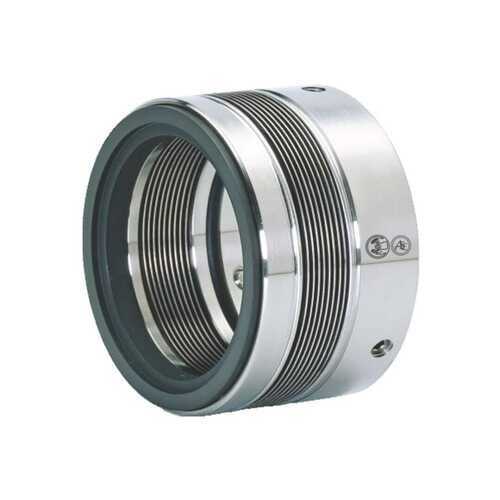
Mechanical Seal
25000 INR/Number
Product Details:
- Hardness Rigid
- Usage Industrial
- Style Mechanical Seal
- Material PTFE
- Color Sliver
- Click to View more
X
Mechanical Seal Price And Quantity
- 1 Number
- 25000 INR/Number
Mechanical Seal Product Specifications
- Mechanical Seal
- Sliver
- PTFE
- Industrial
- Rigid
Product Description
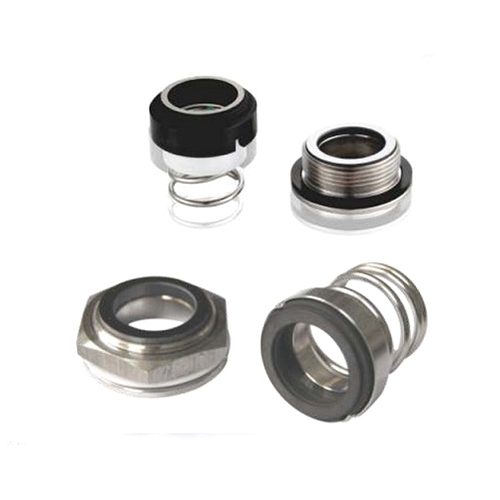
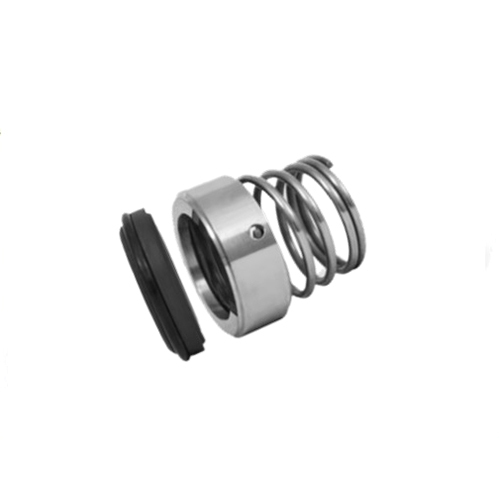
Mechanical Seal is an inherently balanced mechanical seal. These seals are independent of the direction of rotation. The unique feature of this type of seal is that there are no dynamic 'O' rings and therefore it will never hang up or damage the shaft and sleeve. It can handle corrosive as well as abrasive & viscous media. These seals have self-cleaning & no clogging construction. It can be used in highly corrosive media with a selection of special bellow material.Advanced Rigid Construction
Designed with a rigid architecture, our mechanical seals deliver unmatched durability and pressure stability in industrial environments. The robust construction is suitable for mechanical systems that demand uncompromising strength and resistance to deformation, ensuring operational reliability and reduced maintenance.
Premium Materials: Metal and PTFE
Crafted from premium metal and PTFE, our seals offer excellent longevity and resistance to harsh chemicals, abrasive particles, and extreme temperatures. This material combination ensures that the mechanical seals retain their sealing efficiency and integrity over extended use, minimizing downtime.
Trusted Indian Exporter and Manufacturer
With years of expertise as a leading exporter, manufacturer, and supplier in India, we provide consistent quality and timely supply to clients worldwide. Our mechanical seals are trusted in a spectrum of industrial applications, earning us a strong reputation for reliability and customer satisfaction.
FAQ's of Mechanical Seal:
Q: How are these mechanical seals used in industrial applications?
A: These mechanical seals are installed in pumps, compressors, and rotating machinery to prevent leakage of fluids. Their rigid design and advanced material composition make them ideal for sealing in high-pressure and corrosive industrial settings.Q: What makes the combination of metal and PTFE beneficial for a mechanical seal?
A: The synergy of metal and PTFE provides both strength and chemical resistance. Metal offers structural integrity, while PTFE imparts resistance against corrosion, friction, and a wide range of chemicals, extending the operational life of the seal.Q: When should I consider using a rigid mechanical seal instead of a flexible one?
A: A rigid mechanical seal should be chosen when your system operates under high pressure, experiences significant thermal variation, or deals with aggressive or abrasive media. Such conditions demand greater durability and strength, which rigid seals provide.Q: Where are these mechanical seals typically installed?
A: These seals are commonly installed in industrial plants, manufacturing units, water treatment facilities, and any setting where mechanical rotating equipment requires reliable fluid containment.Q: What is the process for installing these mechanical seals?
A: The installation involves ensuring a clean, smooth shaft, placing the seal precisely in its housing, and securing it following the manufacturer's guidelines. Proper alignment and torque are essential to prevent leaks and guarantee long-term performance.Q: How do these seals benefit industrial operations?
A: By ensuring leak-proof performance and robustness, these mechanical seals help minimize downtime, reduce maintenance costs, and protect equipment from damage, thereby enhancing overall operational efficiency.Tell us about your requirement

Price:
Quantity
Select Unit
- 50
- 100
- 200
- 250
- 500
- 1000+
Additional detail
Mobile number
Email

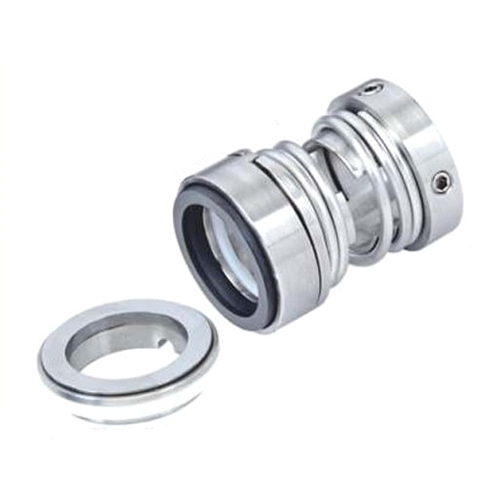
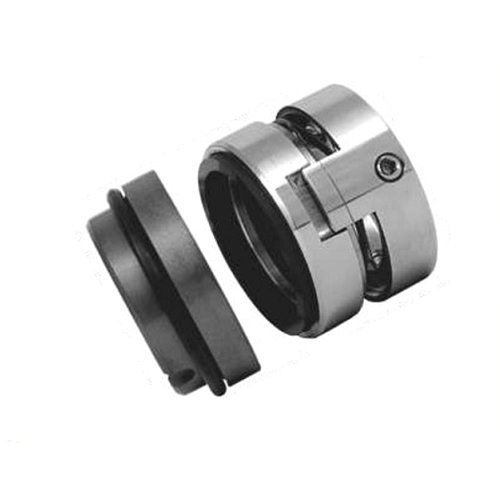
Other Products in 'Standard Mechanical Seals' category

Contact us

- B/F, Saraf Kaskar Ind. Premises Chs. Ltd, S.V. Road, Near Oshiwara Bridge, Jogeshwari West,Mumbai - 400102, Maharashtra, India
- Phone : 07971191106

- Mr Sufiyan (Sales Executive)
- Mobile :07971191106
- Send Inquiry
 Send Inquiry
Line Proof Engineering
All Rights Reserved.(Terms of Use)
Developed and Managed by Infocom Network Private Limited.
Developed and Managed by Infocom Network Private Limited.

